

HAE
BURDEN
IS ENOUGH TO
MAKE ANYONE
SCREAM
Advances in treatment have reduced attacks for many patients. But the full impact of hereditary angioedema (HAE) goes beyond physical attacks.

Advances in treatment have reduced attacks for many patients. But the full impact of hereditary angioedema (HAE) goes beyond physical attacks.
A Mosaic of Challenges: Patient Burden With HAE
Living with HAE goes far deeper than managing attacks. It means patients must manage treatments, access, career impacts, and much more. Insights from recent research include:

Across multiple surveys, approximately 80% of people on long-term prophylaxis still reported attacks within the last year.1,2*†
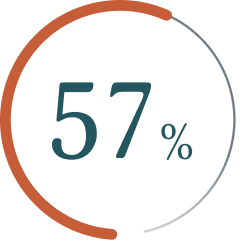
Logistical issues such as insurance coordination were a major concern for 57% of respondents1*

Eighty percent of respondents said they were worried about continued availability of treatment if they changed jobs or insurance3*

In 2025, Intellia Therapeutics conducted a survey to get a deeper look at life with HAE, and to uncover people’s thoughts and feelings about their experiences.
2025 survey of 100 adults living with HAE.
2021 cross-sectional survey of 384 people living with HAE. This data was reported by their physicians.
2022 survey of 20 adults living with HAE.
2021 consensus meeting of 9 HAE experts from the US and Europe.
In Broad Strokes, Patients May Not Be Meeting Treatment Goals
In the US Hereditary Angioedema Association (HAEA) clinical guidelines, the goals for treatment include attack control and the ability to live a normal life without limitation from HAE.3 However, many patients are still experiencing attacks and limitations.1,4,5*‡§
Striving for Life Without Limitation
Collaborative discussions may help patients understand the ways HAE is holding them back.
Perspectives on HAE Management
Asking your patients direct, probing questions may help you uncover their unique challenges, and start discussions about their goals for treatment.
References:
- Busse P, Wilson K, Farkas H, et al. Barriers to achieving normalization among people living with HAE on existing treatments. Presented at: American College of Allergy, Asthma and Immunology (ACAAI) 2025 Annual Scientific Meeting; November 6-10, 2025; Orlando, FL. ePoster R108.
- Anderson J, Soteres D, Tachdjian R, et al. Real-world outcomes in patients with hereditary angioedema prescribed lanadelumab versus other prophylaxis. Allergy Asthma Proc. 2024;45(6):426-433. doi:10.2500/aap.2024.45.240046
- Busse P, Wilson K, Farkas H, et al. Rethinking the management of hereditary angioedema. Allergy Asthma Proc. 2026;47(2):92-101. doi:10.2500/aap.2026.47.260004
- Arora NS, Nelson B, Carpenter L, et al. Consequences of insurance coverage delays and denials for patients with hereditary angioedema. J Allergy Clin Immunol Pract. 2023;11(8):2432-2438.e1. doi:10.1016/j.jaip.2023.03.006
- Bork K, Anderson JT, Caballero T, et al. Assessment and management of disease burden and quality of life in patients with hereditary angioedema: a consensus report. Allergy Asthma Clin Immunol. 2021;17(1):40. doi:10.1186/s13223-021-00537-2